
Anti-money laundering responsibilities for casino businesses
The proposals put forward by industry for new machine games are not yet fully developed and will require further exploration with the government and the Gambling Commission. We have identified two areas for change — proposals for new machine games and re-assessing the balance of Category B machines in venues — which we explore below. The call for evidence asked whether any rules for the land-based sector should be changed in order to meet the objectives set out in the Review. A consultation will allow the industry to respond to any principles and specific requirements that the government and Gambling Commission require in order to ensure that the introduction of cashless payments does not lead to an increase in risk to consumers.

Do you agree with the proposal that casino operators will be required to notify licensing authorities and the Gambling Commission if they decide to take-up their entitlement to additional gaming machines under the new regime? Some of the same size requirements for Small 2005 Act casinos will apply for 1968 Act casinos, should they increase their entitlement to gaming machines to more than 20 (including one or more Category B machines). This amendment will mean that 1968 Act casinos that meet the same size requirements of Small 2005 Act casinos (subject to our final position on maximum size of gambling space) will be entitled to 80 gaming machines. This will ensure that casinos continue to offer a variety of gaming and non-gaming activities for customers while at the same time allowing a greater number of machines to be sited on the premises. In order for a 1968 Act casino to be entitled to 80 gaming machines, we propose that it must have a gambling area of at least 500sqm, the same minimum requirement for Small 2005 Act casinos.
The Bonus Wagering Cap: Good News for Players
This process of formal review – Section 116 of the Gambling Act 2005 – can result in almost any sort of penalty from the regulator, including suspension and revocation of licences. Remote licences are, in fact, a legal requirement for any business, wherever located, to offer facilities for gambling to British residents. Persons wishing to enter the British land-based casino market have typically purchased existing businesses. There are no tender or bidding processes, other than in the occasional case of land-based casino franchises being proposed. This distinction cannot be ignored, and the regulator has no power to grant a licence that authorises both remote and land-based activity. Hence, the typical remote gambling business will require three types of British licence to lawfully offer remote gambling to British residents – an “operating” licence, a software “operating” licence and a suite of personal licences for its main personnel.
Some respondents felt restricting children from playing all Category D machines would protect them from harm, but the research on this is mixed. The government will challenge the remaining operators who allow 16 and 17-year-olds to buy their products to stop this practice so that there is no online or widely and easily accessible scratchcard gambling for under 18s. Our intent is that the most easily accessible lotteries should only be available to adults to further reduce the risk of gambling-related harm to children.
There is ongoing work in the sector to develop ways to ensure cashless gambling has safer gambling controls, which we explore further below. The legislation also requires ATMs to be positioned so that any customer who wishes to use them must stop gambling in order to do so. Cash-only gambling was assumed to give players more control over their play by providing natural interruptions in play to obtain more cash, helping players play within budget limits. We would need to do further work to ensure that robust player protections were in place to mitigate any harms, particularly taking into account the issues raised by the Gambling Commission about appropriate legislative safeguards on stake and prize levels, game speeds and the ability to set technical standards. Operators would like to be able to adapt their existing terminals to offer a wider variety of electronic casino games, using RNG technology. Casinos may use electronic terminals to offer games which are based on real events but only games based on the spin of a roulette wheel are currently available.

UKGC Enforcement & Responsible Gambling Under the New Rules
We will also permit casinos of all sizes to offer sports betting in addition to other gambling activities and will take steps to reallocate unused 2005 Act casino licences to other local authorities. We will allow smaller casinos to benefit from more machines on a pro rata basis commensurate with their size and non-gambling space, subject to the same table to machine ratios and other conditions. The 2005 Act sets out a range of restrictions for land-based gambling based on the assumption that restrictions on supply (for example casino numbers and gaming machine availability) are an important protection.
However, excessive commercial caution risks driving customers to the black market where they can be exposed to a variety of risks. It is apparent that some operators may be using restrictions to minimise commercial risk with excessive caution. However, some did acknowledge that operators cannot be expected to endlessly pay expert or even professional bettors as this would inevitably increase the costs for all customers, for instance through worse odds. Some specifically highlighted that restrictions could drive individuals to gamble with unlicensed operators or to illegally use third-party accounts (for example, in a family member’s name) to continue gambling in the licensed sector. The practice of not accepting bets from those who routinely ‘beat the book’ occurred long before the growth of online gambling, but has become far more sophisticated in the digital age.
Additionally, foreign operators from whitelisted gambling jurisdictions were required to pay a 15% point-of-consumption (POC) tax on gross profits. They can be classified as Category A, B, C, or D, and under Section 236 of the Gambling Act 2005, Category B machines are further divided into subcategories. Casino games are a specific subset of games of chance that may be offered only in casino premises; they are distinct from equal-chance games. All casino operators must obtain a license from the Gambling Commission, and their profits are subject to taxation depending on the type of game they offer.
Some concerns were raised by industry about the technical feasibility of voluntary limits, particularly for Category D crane grab machines. The vast majority of respondents agreed that there should be a minimum transaction time for customers making a cashless transaction on a gaming machine. This could include looking at how customers interact with machines that accept cashless payments, how much they spend and the impact of different protections. As set out above, while chip and PIN could be used as a verification method, we would expect manufacturers and operators to adapt or make new machines that accept payments made by mobile devices which have some sort of biometric verification and meet the SCA standards.
Under this option, for every device with higher maximum staking there would be a lower maximum staking machine of equivalent size and nature available to customers. The same rule would apply to all other gaming machine device types. This is in addition to a 9 percent increase in the overall number of B3 machines, representing approximately 900 machines across the total AGC estate. Projections on the impact of this proposal for the AGC sector suggest there will be a 10 percent reduction in the number of Category C machines and a 20 percent reduction in the number of Category D games, in-fills, and tablets.
In at least some of these instances, customers in this country are incidental to the main purpose of the arrangement which is often to attract customers in overseas jurisdictions to the brand. In these instances, the target market is mainly customers in Great Britain, and the licensee is leveraging the third-party’s brand to expand its appeal. It is the licensee which contracts with any customers and is responsible for providing the ‘facilities to gamble’ as set out in the 2005 Act, in spite of any branding on the website.
Failing to meet the size requirement in any of these three areas will result in a lower machine entitlement. Therefore, we would welcome any responses which highlight concerns about this approach and how non-gambling areas could be calculated using a different method. Industry has raised some concerns about how areas like bars would be categorised if sports betting terminals were placed in them. If its gambling area is 500sqm or more, its non-gambling area must be equal to or greater than 250sqm. It could also mean that the same gambling facilities are compressed into a smaller gambling area, with potentially a worse customer experience and no player protection benefits.
Here is a detailed breakdown of every major regulatory change affecting online casinos this year. Every legitimate UK online casino must display its UKGC licence number, typically in the website footer. Live betting and live casino sit in the same lobby, which is unusual — most operators silo them — and useful if you flit between roulette and Premier League goals in the same evening. If there are online operators servicing British residents without a proper licence from the UKGC, they are considered to be engaging in illegal activity. Arcades feature varied gaming machine types, each of which falls into a different category. The Act also mandated that operators must pay 15% of their profits obtained from UK customers back as part of their licensing agreement.

We do not want to restrict operators’ ability to use offers to attract new customers or retain existing ones, and acknowledge that ‘blunt’ measures in this area could unintentionally benefit the black market. The Gambling Commission will consult on setting higher standards for operators in obtaining all customers’ consent to direct marketing and promotional offers. A recent behavioural audit of 10 popular online operators also found that non gamestop casinos when a new account is created, half of the operators automatically sign the individual up to other brands or products owned by the operator’s parent company. There are already clear requirements that operators must seek informed and specific consent to send direct marketing to consumers, as well as requirements that direct marketing must not be sent to those who have self-excluded or are showing strong signs of harm. The combination of high re-wagering requirements and tight time limits to claim winnings poses clear risks in terms of creating a sense of urgency to gamble, incentivising high-intensity play and potentially gambling more than one had originally planned to.
- In addition to the approximately 300,000 people categorised as ‘problem gamblers’, there are approximately 1.8 million people in Great Britain categorised as ‘at risk’.
- We recommend that licensing authorities update their policy statements using a wide range of data and analysis, including making use of spatial tools and public health data to identify vulnerable areas and to state their position on additional gambling premises in these areas.
- UKGC-licensed casinos protect your money and personal details using strong encryption and trusted payment methods.
- It demands more of organisations in terms of accountability for their use of personal data, and adds to the existing rights of individuals.
- Submissions from industry and campaign groups differed on whether there is currently a significant black market for gambling or a risk of one emerging.
- Rules on stakes and prizes, and the technical standards for machine games (summarised in Figure 20), serve to protect customers from harm.
A consultation on measures relating to the land-based gambling sector. Online gambling operators in Great Britain face an increasingly exacting regulatory landscape. The clustering of high-stakes machines in concentrated areas will be closely monitored by the Gambling Commission, particularly where it may encourage extended play or deter supervision. 2025 marks a turning point for the UK’s land-based casino sector. Higher remote gaming duty rates, continuous expansion of safer-gambling controls, increased governance reporting, and more resources invested in illegal market disruption.
What do you think are the potential impacts of raising licence fees on licensing authorities? In order to produce a more robust estimate for funding raised, we require additional data on the current number of licence applications and live licences. The additional annual cost per premises is an average across all premises types and in reality, will differ depending on the type of licence held. The additional annual cost per premises and the total additional annual funding for licensing authorities has been estimated using existing premises numbers.
Minimum age
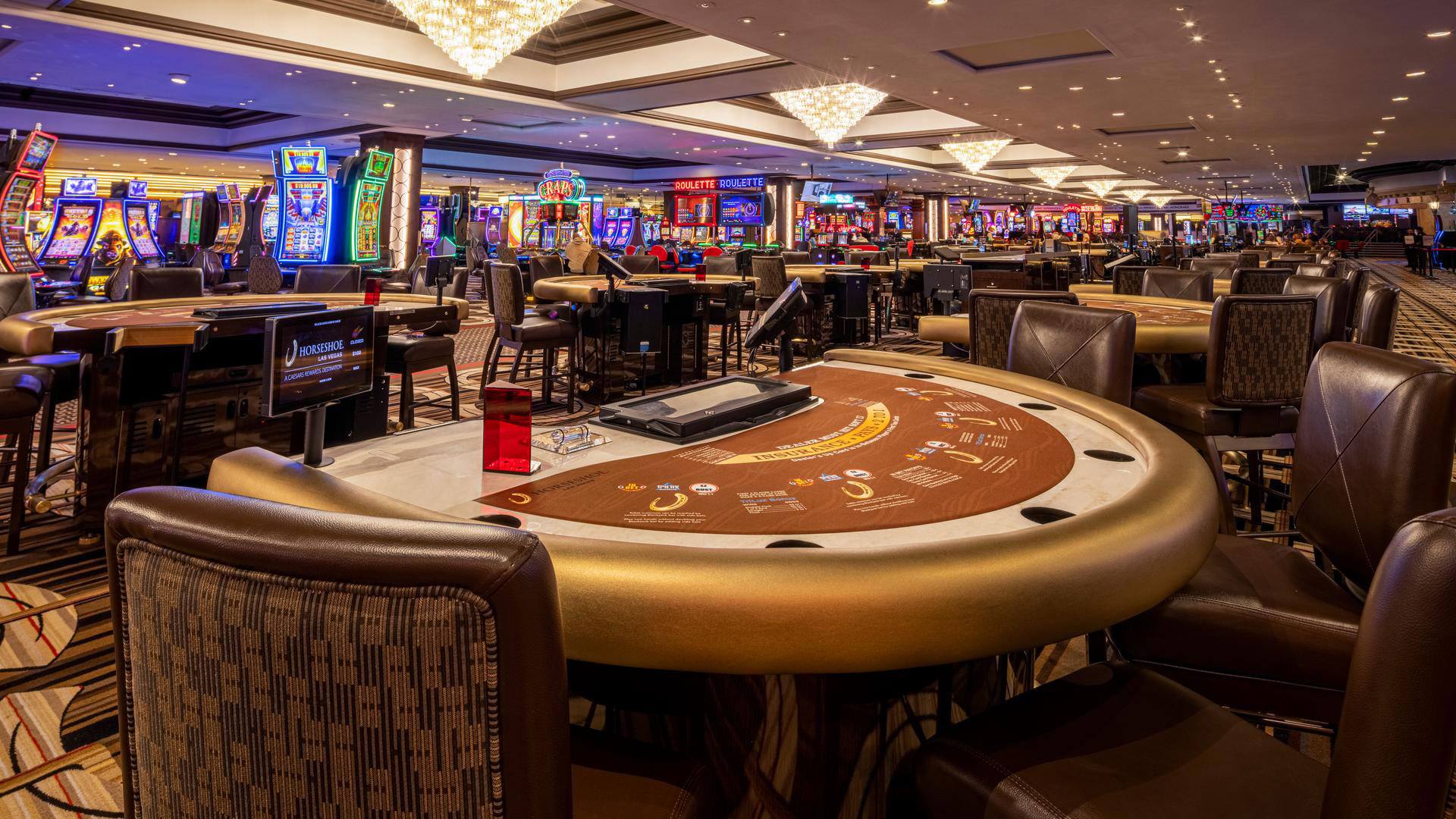
With regard to casinos that currently operate with a gambling area of 1500sqm or more, these casinos will be permitted to remain open with their current gambling area. When asked about the reduction in minimum table gaming area in Small 2005 Act casinos from 500sqm to 250sqm, more respondents were in favour of this being applied than opposed. A fairly even number of respondents were for and against the 12.5% rule applying for 1968 Act casinos, whereby any table gaming area would only count towards the minimum table gaming area if it constitutes 12.5% or more of the total table gaming area in the venue. Any 1968 Act casinos that wish to remain on the existing regime will be able to do so and are not required to adjust their product offering (unless they decide to take up the opportunity to offer facilities for betting). Feedback from engagement with operators has indicated that the sliding scale as proposed would benefit the majority of casinos, with over 80% of casinos estimated to benefit depending on how floor space is reconfigured.
We think that behavioural science provides valuable insights around how the design of platforms and processes can be improved to better empower consumers and reduce the risk of harm. The ICO stressed the importance of licensed operators upholding the information rights of data subjects. Gamblers commonly resort to self-exclusion as a way to close a gambling account, with evidence suggesting this as a motivating factor for 37% of self-exclusions. Stakeholders also had concerns that there is rarely a simple way to close an online gambling account without speaking to a customer service representative. There are no specific provisions relating to how information is presented on screen, but where a product carries an underlying risk of harm, it is in the best interests of the consumer that material information is as easy as possible to access and understand. Licensed operators should be transparent with customers, both at the start of the relationship and throughout, about how, when and why an account might be restricted, and ensure customers are aware of any restrictions prior to placing a bet.
Unlike the arcade sector, bingo clubs would not remove substantial numbers of tablets as these machines are primarily used for playing the game of bingo itself. We also received a small number of responses from local authorities, charities and gaming machine manufacturers. The supplementary consultation was shared with all of the initial respondents to the land-based gambling consultation who left contact information, and received 16 responses. Do you have any additional insights or evidence relating to recent trends in GGY, profit and costs for bingo and AGC operators?
In practice, operators elect to site Category B machines and typically have an offering of 20 Category B1 machines. Without intervention, there is a risk that machines could become obsolete as we move towards a “cashless” society. The white paper proposed to reform the 80/20 rule in response to evidence that the current rule does not allow operators to adequately meet consumer demand, while still providing a balanced product offer to customers. Arcades and bingo premises are subject to an 80/20 rule which governs the balance of Category B (maximum £2 stake) and Category C or D machines in these venues (up to a maximum £1 stake). The size of Britain’s land-based casino sector has remained relatively flat in recent years, in contrast to an expanding online market.
We believe these to be of a smaller magnitude than the effects considered above, and expect forthcoming policy-specific consultations will broaden the evidence base to support detailed impact assessment. We recognise that our proposals also involve additional friction and/or reduced incentivisation for some people who are spending at high levels which they can afford and who are not being harmed. As part of the consultation, we will strongly encourage licensing authorities to consider the range of resources required for comprehensive monitoring and enforcement, such as IT and analytical capability, which may not have been a necessary or proportionate requirement when the fees were originally set.
The following legislation and policies are also applicable to operating licence holders. Personal Management Licences allow people to work in certain roles in a gambling business. Our online fees calculator can help you with understanding the amounts of your application, first annual and annual fees. The fees you need to pay depend on what you are applying for, and what your anticipated gross gambling yield (GGY) is.
We also welcome international evidence. If you cannot access the link, please send responses to in a document format like PDF or Microsoft Word. Is any of the information you have provided confidential, commercially sensitive or otherwise unsuitable for publication (including in anonymised)? Which of the following best describes your interest in gambling policy (select up to two options)?
We propose to introduce a stake limit for online slots, consulting on a limit of between £2 and £15 per spin, to structurally limit the risks of harmful play. The Gambling Commission intends to consult on mandating participation in a cross-operator harm prevention system based on data sharing, following assessment of the currently live operator trials which have had input from the Information Commissioner’s Office (ICO) and the Commission. Individual operators can take steps to prevent harm on their own platform but people suffering gambling harms usually hold multiple accounts or can open new ones easily. Further information will only be requested from customers as a last resort where it is necessary to complete an assessment, and the use of any data gathered through such checks will be restricted to assessing financial risk and indicators of financial distress.
Currently, gambling treatment services and support in both countries are mainly provided through primary care and the voluntary sector, though those in need of more specialist treatment services may be referred to the National Problem Gambling Clinics in London and elsewhere in England. While the majority agreed that operator data regarding consumer behaviours at the individual account level would be fundamental to any repository, others also argued for datasets around treatment demand and access, complaints, and wider commercial data. There was widespread support for the creation of a data repository which would be available to researchers, though specific proposals as to the extent of the repository and the sort of data it would collect ranged widely. Three researchers account for nearly 40% of all British studies published on gambling in academic journals between 2019 and 2021.